
Game events and daily rewards represent foundational mechanics within the free-to-play ecosystem, designed not merely as player perks but as strategic levers for engagement, retention, and monetization. For developers and publishers, understanding the precise operational framework and psychological underpinnings of these systems is critical for fostering a vibrant player community and sustaining commercial viability. This involves moving beyond surface-level implementation to grasp how these features integrate into the player journey, influence behavioral patterns, and contribute directly to key performance indicators.
Understanding Game Events
Game events are time-limited activities or challenges that deviate from the core gameplay loop, offering players unique opportunities for progression, social interaction, or exclusive rewards. Their primary function is to inject novelty and urgency into the player experience, preventing stagnation and encouraging regular participation. These events are not uniform; their structure and objectives vary significantly, tailored to specific engagement goals.
Types of Game Events
Event structures typically fall into several categories, each designed to elicit different player behaviors:
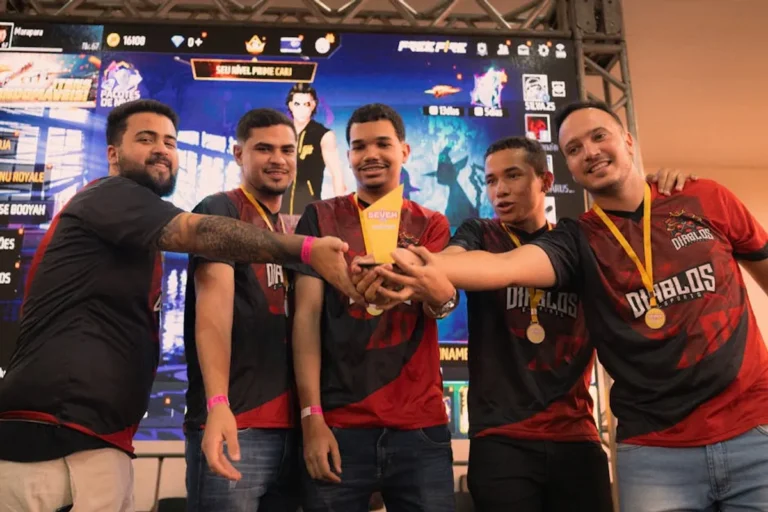
- Competitive Events: These often involve leaderboards where players compete against each other for top rankings and superior rewards. Examples include score-based challenges, time trials, or PvP tournaments. The design leverages players' intrinsic desire for achievement and recognition, driving intense, short-term engagement.
- Collaborative Events: These require players to work together towards a common goal, such as collectively defeating a boss or contributing to a community-wide resource pool. This fosters social bonds and a sense of shared purpose, enhancing long-term community stickiness.
- Narrative-Driven Events: Often tied to seasonal themes or in-game lore, these events unfold a temporary storyline with unique quests and characters. They appeal to players seeking immersive experiences and additional content, providing context and freshness.
- Progression Events: Focused on accelerating player advancement, these might offer bonus experience points, increased drop rates for rare items, or discounts on in-game purchases. They serve to re-engage lapsed players or provide a boost for active ones.
Mechanics and Design Principles
Effective game events are built on specific mechanics that amplify their impact. Limited-time availability creates a fear of missing out (FOMO), compelling players to participate within a defined window. Unique challenges or rule modifications within the event provide a fresh take on familiar gameplay, preventing monotony. Reward structures are tiered, often offering increasingly valuable items for higher levels of participation or achievement, which incentivizes sustained effort. Gatekeeping mechanisms, such as requiring specific in-game items or character levels to participate, can also drive players to engage with other parts of the game in preparation.
The Role of Daily Rewards
Daily rewards are systematic incentives provided to players for logging into the game or completing specific tasks on a regular basis. Unlike events, which are episodic, daily rewards are a consistent, predictable mechanic aimed at habit formation and continuous engagement. Their predictability creates an expectation loop, encouraging players to return day after day.
Reward Structures
The method of delivery for daily rewards varies:
- Sequential Login Bonuses: Players receive a specific reward for each consecutive day they log in, with the value often increasing towards the end of a weekly or monthly cycle. Missing a day typically resets the sequence, strongly encouraging consistent returns.
- Daily Quests/Tasks: Players are presented with a set of small objectives each day, such as 'defeat 10 enemies' or 'collect 5 resources'. Completing these yields immediate, smaller rewards, reinforcing specific gameplay behaviors.
- Randomized Daily Chests/Pulls: Players receive a free draw from a pool of items once per day. The element of chance introduces excitement and anticipation, often leading to continued engagement in hopes of acquiring a rare item.
- Cumulative Rewards: Rewards are granted upon reaching specific milestones over time, such as logging in for 7, 30, or 100 days total, irrespective of sequence. This rewards overall loyalty.
Psychological Triggers
Daily rewards tap into several psychological principles. The most prominent is habit formation: consistent, small rewards create a routine, making logging in a daily ritual. Anticipation plays a significant role, as players look forward to what they might receive next, especially with sequential or randomized systems. Perceived value is also crucial; even small rewards can feel significant if they contribute to long-term progression or unlock new content. These systems leverage operant conditioning, reinforcing desired behaviors (logging in, completing tasks) with positive outcomes (rewards).
Commercial Impact and Player Engagement
Both game events and daily reward systems are pivotal for the commercial success of free-to-play titles. Events create peak engagement periods, often correlating with spikes in in-app purchases as players buy resources or power-ups to compete or complete challenges. They also drive ad views in ad-supported models, as players engage more frequently and for longer durations. Daily rewards, by fostering consistent logins, directly impact daily active users (DAU) and monthly active users (MAU), which are critical metrics for advertiser appeal and investor confidence. By reducing churn, these systems extend the player's lifetime value (LTV) and provide more opportunities for monetization over time. They create a consistent value exchange: players invest time, and the game provides progress and rewards, sustaining the engagement loop.
Implementing Effective Systems
Designing effective event and reward systems requires careful consideration to balance challenge, reward, and player psychology. Overly generous rewards can devalue the game's economy, while stingy rewards lead to player frustration and disengagement. The frequency and duration of events must be carefully paced to avoid player burnout or event fatigue. Too many simultaneous events can overwhelm players, while too few can lead to boredom.
Pro Tip: Implement A/B testing for event parameters and reward values. Small adjustments to reward tiers, event durations, or quest difficulty can significantly impact player participation rates and commercial outcomes. Regularly analyze player data to identify drop-off points or engagement peaks, then iterate on your designs based on these insights.
Best practices for implementation include:
- Clear Communication: Announce upcoming events and reward changes well in advance with clear instructions.
- Balanced Difficulty: Ensure challenges are attainable for a broad player base but still offer a sense of accomplishment.
- Meaningful Rewards: Rewards should genuinely contribute to player progression or offer desirable cosmetic items.
- Feedback Loops: Monitor player sentiment through forums and social media, adjusting systems based on community feedback.
- Localization: Adapt event themes and reward types to cultural contexts where applicable.
Practical Considerations for Developers and Publishers
For developers and publishers, the ongoing management of game events and daily rewards is an analytical and iterative process. It requires robust data analytics to track participation rates, reward redemption, and their correlation with monetization metrics. A/B testing different event mechanics, reward schedules, and messaging strategies is crucial for optimizing engagement. Furthermore, maintaining a dynamic roadmap for future events ensures that content remains fresh and compelling. Community feedback channels are invaluable for identifying pain points or popular requests, allowing for responsive adjustments that enhance player satisfaction and loyalty. These systems are not static; they evolve with the game and its player base.
Frequently Asked Questions
What is the primary goal of game events?
The primary goal of game events is to introduce novelty, create urgency, and provide unique opportunities for players, driving short-term engagement spikes and often correlating with increased monetization.
How do daily rewards impact player retention?
Daily rewards significantly impact player retention by fostering habit formation and creating a consistent incentive for players to log in regularly, thereby extending their overall engagement with the game.
Can game events be too frequent?
Yes, game events can be too frequent, leading to player burnout or "event fatigue" where players feel overwhelmed or pressured, potentially causing disengagement rather than increased participation.
What kind of data should be tracked for these systems?
Key data to track includes daily active users (DAU), event participation rates, reward redemption rates, specific item acquisition from rewards, correlation with in-app purchases, and player churn rates.


Start the conversation
Thoughtful disagreement welcomed. Promotional links quietly removed.